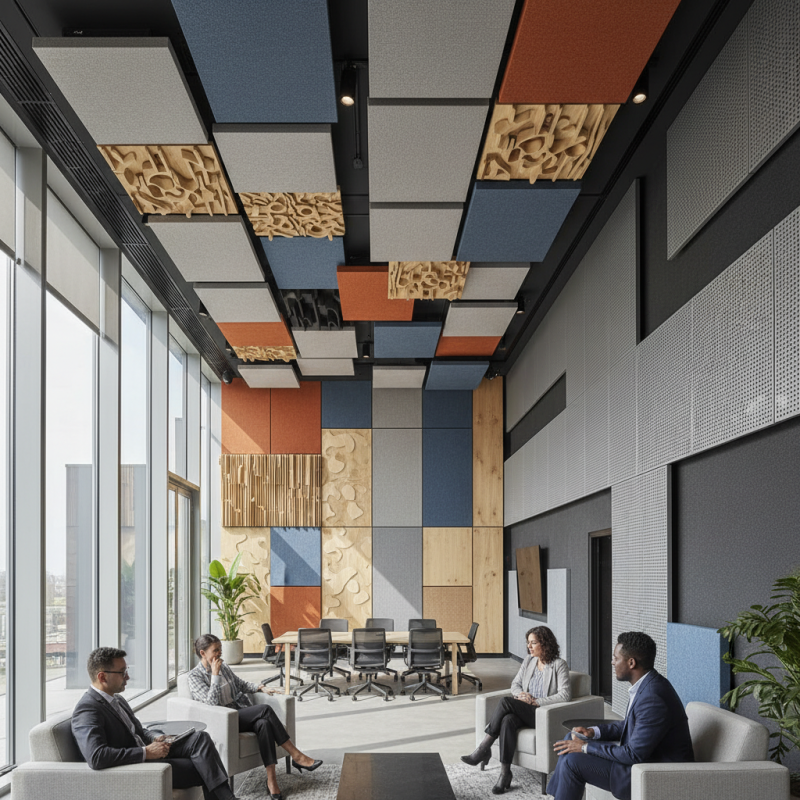
Top Acoustic Panel Solutions in China for Global Buyers?
Finding the right Acoustic Panel solutions can be challenging. China has emerged as a significant player in this market. With numerous manufacturers, buyers face a vast array of options. Understanding these products is crucial for making informed decisions.
Acoustic panels are essential for enhancing sound quality in various environments, from studios to offices. High-quality acoustic panels can reduce noise levels effectively. However, not all products are created equal. Some may lack durability or effectiveness. Buyers should carefully evaluate their choices.
Consider factors like material, design, and usage requirements. It’s essential to understand the specifications. Not all acoustic panels will meet every need. Therefore, global buyers must remain vigilant. By exploring options in China, buyers can discover not only affordable solutions but also innovative designs. This market offers both challenges and opportunities.
Overview of Acoustic Panels: Importance and Applications
Acoustic panels play a crucial role in enhancing sound quality in various environments. They help reduce excessive noise, improve speech intelligibility, and create a more comfortable atmosphere. In places like offices, studios, and schools, these panels can significantly affect productivity and learning outcomes. Their design allows them to absorb sound waves, which minimizes echo and reverberation.
Implementing acoustic solutions requires careful consideration. Not every space has the same needs. Factors like room size, purpose, and existing acoustics should influence panel selection. Many solutions exist, ranging from lightweight foam to thicker fabric-wrapped panels. However, a one-size-fits-all approach often leads to inadequate results. This is a common oversight among buyers seeking quick fixes.
Furthermore, the aesthetics of acoustic panels shouldn't be overlooked. They can blend with interior decor or stand out as artistic features. However, balancing design with functionality can be challenging. Striving for both effectiveness and visual appeal often requires experimentation. Ultimately, understanding specific acoustic needs is essential to make informed decisions.
Key Materials Used in Acoustic Panel Production in China
When it comes to acoustic panel production in China, various materials play a crucial role. Foam and wood are among the most commonly used. Acoustic foam, made from polyurethane, is lightweight and effective at sound absorption. It comes in various shapes and thicknesses, allowing for versatile installations. Wood, on the other hand, adds an aesthetic appeal while also providing decent acoustic treatment. Plywood and MDF are popular choices in this category.
Another significant material is fiberglass, valued for its durability and performance. Fiberglass panels offer high noise reduction coefficients, making them ideal for professional settings. The manufacturing process requires careful handling and expertise to ensure safety standards are met. However, not all manufacturers have the same quality assurance practices. This inconsistency can lead to subpar products.
In addition, mineral wool is used for its excellent sound-absorbing properties. It is often found in commercial buildings due to its fire resistance. Still, limitations exist, particularly in terms of moisture sensitivity, which can affect performance over time. Buyers should consider these factors when sourcing acoustic panels in China. Understanding these materials can lead to better purchasing decisions, enhancing both sound quality and environmental aesthetics.
Top Manufacturers of Acoustic Panels in China for Global Markets
China has emerged as a key player in the global acoustic panel market. The demand for noise control solutions is rising worldwide. This creates opportunities for Chinese manufacturers to showcase their innovative designs and materials. Leading factories focus on quality and sustainability. They utilize eco-friendly materials to appeal to environmentally conscious buyers.
Many manufacturers specialize in different types of acoustic panels. These include wall panels, ceiling tiles, and baffles. Each product offers unique sound-absorbing properties. It is essential for buyers to understand the specific needs of their projects. Factors like room size, purpose, and aesthetic should be considered.
However, challenges exist in this crowded market. Some manufacturers may overstate their capabilities. Buyers need to conduct thorough checks on quality certifications. It's wise to seek samples before making bulk orders. Trusting reviews and past client experiences can provide valuable insights. The journey requires careful navigation but offers remarkable solutions for noise management.
Top Acoustic Panel Solutions in China for Global Buyers
| Product Type | Material | Thickness (cm) | Size (cm) | NRC Rating | Price Range (USD) |
| Wall Panels | Fiberglass | 5 | 60x120 | 0.85 | $15 - $25 |
| Ceiling Tiles | Mineral Fiber | 2.5 | 60x60 | 0.90 | $10 - $20 |
| Bass Traps | Foam | 10 | 30x30 | 1.00 | $20 - $35 |
| Acoustic Baffles | Wood | 4 | 120x30 | 0.95 | $30 - $50 |
| Portable Panels | Fabric | 7 | 60x180 | 0.80 | $40 - $70 |
Factors to Consider When Sourcing Acoustic Panels from China
When sourcing acoustic panels from China, it’s crucial to understand key factors. Quality is paramount. Many manufacturers offer a range of materials, from fiberglass to foam. Investigate the durability and sound absorption properties. Don't hesitate to request samples for evaluation. This ensures you get the right product for your needs.
Cost is another significant consideration. Price variations arise from materials, labor, and shipping. While it may be tempting to choose the cheapest option, understand the potential trade-offs. Low-cost products may compromise on quality. Consider your long-term investment. Review supplier credentials and their experience in the industry to gauge reliability.
Additionally, communication is essential. Ensure the supplier understands your specific requirements and can provide answers promptly. Language barriers can lead to misunderstandings about product specifications. Reflect on your sourcing channels. Relying solely on online searches may not yield the best results. Engaging directly with manufacturers can offer deeper insights into their practices and capabilities.
Trends and Innovations in Acoustic Panel Solutions in China
China is making significant strides in acoustic panel solutions, driven by demand from global markets. The trend towards sustainability has led to innovations in material sourcing. Manufacturers are now using recycled materials to create effective sound absorption products. This shift not only addresses environmental concerns but also meets the needs of conscientious buyers.
Another notable trend is the integration of technology into acoustic panels. Smart acoustic solutions that incorporate sound control technology are on the rise. These panels can adapt to varying acoustic conditions, providing dynamic sound management. However, ensuring consistent performance across different environments remains a challenge.
Design aesthetics also play a crucial role. Consumers increasingly appreciate panels that not only perform well but also enhance interior spaces. While there are numerous designs available, finding the perfect balance between functionality and style can be tough. This growing focus on design highlights a need for continuous innovation and adaptation in the sector.