Top 10 Benefits of Viscose Fabric for Global Buyers?
Viscose Fabric has emerged as a significant player in the textile industry. Industry expert Dr. Emily Martinez states, "Viscose offers a unique blend of comfort and versatility." This statement underscores the growing importance of this fabric among global buyers. With its soft texture and luxurious appearance, Viscose Fabric is gaining popularity in various sectors, from fashion to home textiles.
Many buyers appreciate Viscose for its breathable qualities. It drapes beautifully, making it ideal for garments and upholstery. Its ability to mimic silk, yet remain affordable, attracts many consumers. However, the production process of Viscose Fabric raises environmental concerns. Critics argue that without sustainable practices, the benefits may be overshadowed by ecological impacts. All stakeholders must reflect on their choices in sourcing materials.
As the demand for sustainable fashion grows, Viscose Fabric must evolve. Buyers need to consider not just the benefits but also the consequences of production. The future of Viscose depends on a collective commitment to responsible sourcing and innovation in the industry.
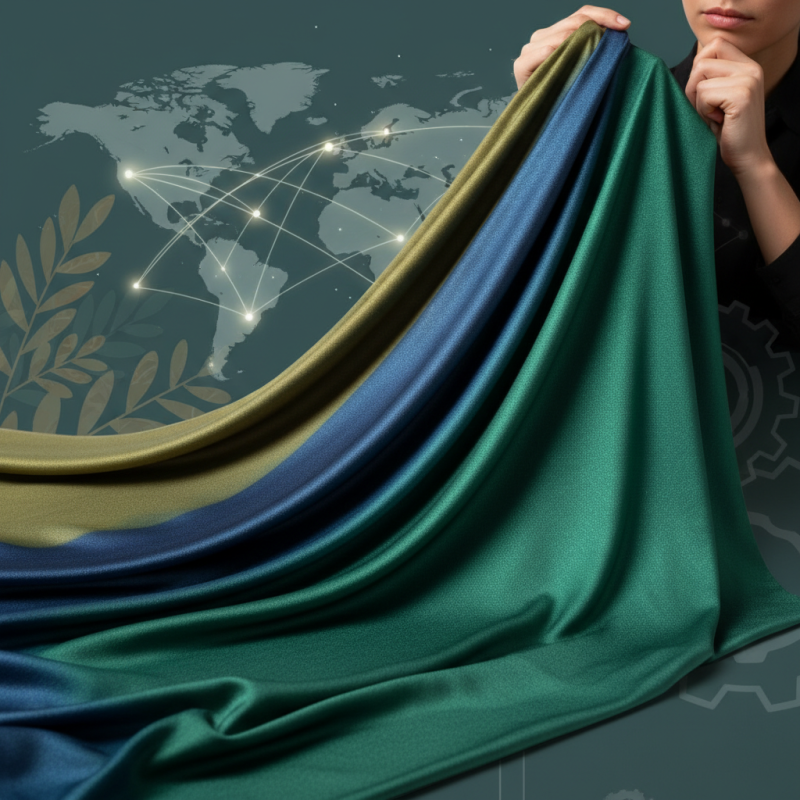
Viscose Fabric: A Sustainable Alternative to Synthetic Fibers
Viscose fabric has gained popularity as a sustainable alternative to synthetic fibers. It is derived from natural sources, primarily wood pulp. This connection to nature offers several advantages. For eco-conscious consumers, using viscose reduces dependence on petroleum-based textiles. Unlike polyester or nylon, viscose is biodegradable. This trait means it breaks down naturally over time, minimizing environmental pollution.
One notable aspect of viscose is its softness and comfort. It has a silky feel, making it desirable for clothing and home textiles. Furthermore, viscose has excellent moisture-wicking properties. It absorbs moisture well, keeping the wearer dry. However, it's important to recognize that viscose production can be resource-intensive. The process requires significant water and energy. This means that while viscose is a step away from synthetics, its sustainability is not without concerns.
Though viscose is versatile, it does have its drawbacks. It can be less durable than synthetic fibers. This can result in a shorter lifespan for garments. Care must be taken when washing viscose items. They may require special handling to maintain their quality. Balancing these factors is essential for conscious consumption.
Breathability and Comfort: Why Viscose is Ideal for Varied Climates
Viscose fabric stands out for its remarkable breathability and comfort, making it suitable for various climates. This natural fiber draws moisture away from the body, allowing for better air circulation. In hot weather, viscose keeps you cooler by wicking sweat, while in cooler conditions, it retains warmth. This adaptability is why many global buyers opt for viscose in their textile choices.
One tip for buyers is to consider the weight of the viscose fabric. Lighter weights are best for warm climates, while heavier versions provide warmth for cooler environments. Ensure you test the fabric against your skin to experience its softness firsthand. Another thought is to pay attention to the structure of the fabric. Some weaves may enhance breathability even further.
However, while viscose offers many benefits, it does require careful handling. It can shrink and may not be as durable as synthetic materials. Owners should be mindful of washing instructions to maintain the fabric's integrity. Seeking manufacturer guidelines can be a sound practice.
Top 10 Benefits of Viscose Fabric for Global Buyers
Viscose's Versatility: Applications in Fashion and Home Textiles
Viscose fabric shines in the world of textiles. Its versatility makes it a favorite among designers. This material is soft, breathable, and drapes beautifully. Whether in a flowing dress or a luxurious curtain, viscose enhances the aesthetic appeal. Its silky texture mimics natural fibers, giving it an upscale look.
In fashion, viscose is widely used for blouses and skirts. Its ability to absorb dye results in vibrant colors and patterns. Home textiles also benefit from viscose. Cushions, bed linens, and towels made from this fabric exude comfort and elegance. However, it’s worth noting that viscose requires special care. The fabric can be prone to shrinking or losing shape if not washed properly.
Innovation in viscose production continues to grow. Eco-friendly options are emerging, promoting sustainable practices. Global buyers should explore these advances. Investing in viscose means choosing style and comfort, but also being mindful of care instructions. The balance between beauty and practical use is essential in any textile choice.
Eco-Friendly Production: The Environmental Benefits of Viscose
Viscose fabric is gaining popularity for its eco-friendly production process. Originating from natural sources like wood pulp, viscose is designed to minimize environmental impact. The production of viscose uses fewer chemicals compared to synthetic fibers. This makes it a sustainable option for garment manufacturers and consumers alike.
One crucial aspect to understand is the sourcing of wood pulp. Sustainable forestry practices ensure that raw materials are obtained responsibly. This is an important consideration for buyers who prioritize eco-friendly products. Look for certifications that guarantee the sustainability of wood sources.
When choosing viscose, consider its biodegradability. Unlike synthetic fabrics, viscose breaks down more easily in nature. This feature can help reduce the accumulation of plastic waste. However, it is essential to reflect on the overall lifecycle of the fabric. Not all viscose production processes are equally sustainable. Researching suppliers is vital to ensure they adhere to environmental standards.
**Tips:**
- Always check for sustainability certifications.
- Ask manufacturers about their harvesting practices.
- Reflect on the environmental impact of your purchases.
Top 10 Benefits of Viscose Fabric for Global Buyers
| Benefit | Description |
| Eco-Friendly Production | Viscose is made from renewable resources such as wood pulp, contributing to sustainable practices. |
| Biodegradable | When disposed of, viscose decomposes naturally, reducing pollution and waste in landfills. |
| Soft and Comfortable | Viscose fabric has a soft handfeel, making it comfortable to wear against the skin. |
| Breathability | The fabric allows air circulation, helping to keep the body cool in warm weather. |
| Drapes Well | Viscose has good draping qualities, making it ideal for stylish clothing designs. |
| Versatility | It can be blended with other fibers to enhance qualities like strength and appearance. |
| Color Retention | Viscose holds dyes well, resulting in vibrant colors that do not fade quickly. |
| Cost-Effective | Typically, viscose fabric is more affordable than pure natural fibers like silk. |
| Easy Care | Viscose fabrics are usually machine washable, making them convenient for everyday wear. |
| Lightweight | The lightweight nature of viscose makes it suitable for various clothing and fashion applications. |
Maintenance and Care: How to Preserve Your Viscose Fabrics
Caring for viscose fabrics requires attention to detail. It's important to wash these materials gently. Use cold water and a mild detergent. This helps to maintain their vibrant colors. Hand washing is often the best option.
When drying, avoid direct sunlight. This can cause fading and shrinkage. Instead, lay the fabric flat on a clean towel. Reshape it to its original form. If you must use a dryer, choose a low heat setting. Keep an eye on it to prevent damage.
Ironing viscose needs special care. Use a low heat setting and place a cloth between the iron and fabric. This avoids burns and maintains the fabric's softness. Store the garments properly. Hanging them can stretch the fabric. Folding is often a safer choice. Regular maintenance can prolong the life of your viscose pieces. Observing these simple tips can enhance your experience with this beautiful fabric.