Best Hotel Outdoor Seating Ideas for Guest Comfort?
Creating an inviting outdoor space is essential in the hospitality industry. Hotel Outdoor Seating can enhance guest comfort while showcasing a hotel's unique atmosphere. According to a recent survey from the American Hotel and Lodging Educational Institute, 80% of guests value outdoor areas as key amenities during their stay. This underscores the need for hotels to innovate their outdoor seating options.
Many hotels still overlook the potential of their outdoor spaces. Thoughtful design can transform ordinary patios into vibrant retreats. For instance, integrating comfortable seating with lush landscaping can create a serene escape. However, some establishments miss the mark by prioritizing style over comfort. An uncomfortable chair can drive guests away, emphasizing the need for balance in design.
Industry trends indicate that eco-friendly materials and versatile furnishings are on the rise. Hotels should aim to incorporate sustainable practices in their outdoor seating arrangements. As preferences shift, staying informed about guest feedback can lead to better outdoor experiences. Ignoring these insights may lead to missed opportunities for improving guest satisfaction. By understanding what works and what doesn't, hotels can create inviting spaces that appeal to their clientele.
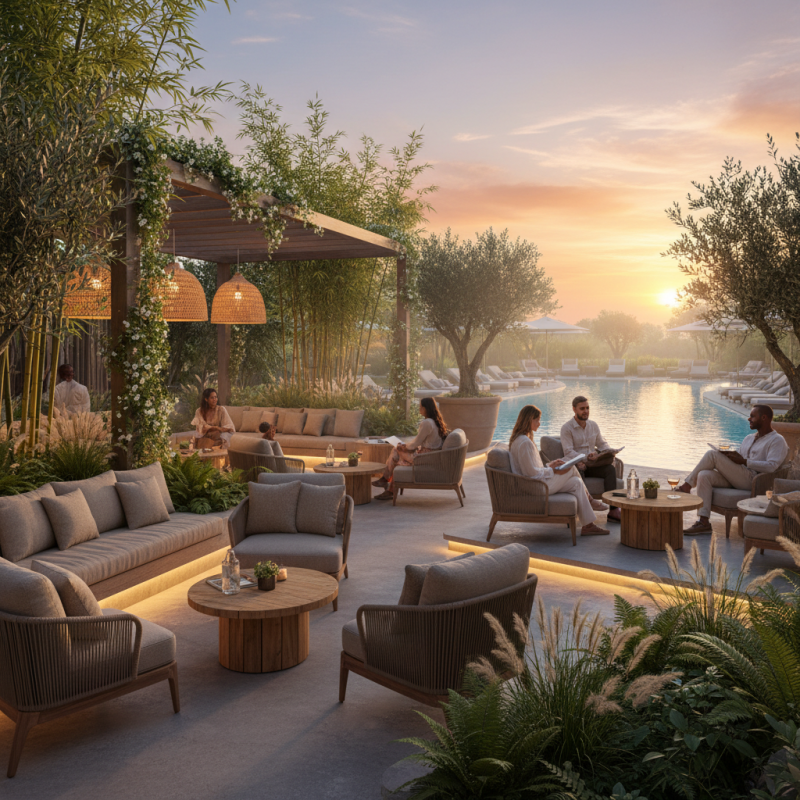
Outdoor Seating Arrangement for Maximum Guest Comfort
Creating an outdoor seating arrangement that maximizes guest comfort requires careful consideration of several factors. Reports indicate that 70% of hotel guests prefer dining outdoors when given the option. However, it is not optional – it’s essential. Failing to provide a comfortable outdoor environment can deter guests from enjoying the space.
Choosing the right furniture is crucial. Sofas and lounge chairs with ample cushioning can enhance comfort, but they should also be weather-resistant. An interesting study found that establishments with varied seating options, including tables, loungers, and shaded areas, achieve a 40% higher guest satisfaction rate. A mix of heights and orientations helps create a dynamic ambiance. However, many hotels overlook proper spacing. Tables placed too closely together can lead to discomfort.
Incorporating elements like plants or water features can elevate the experience. Yet, potential noise from these features may disrupt relaxation if not designed well. Additionally, consider the layout during different seasons. Some setups may work well in summer but fall short in winter. It can be easy to ignore these elements until guests offer their feedback. This reflection is vital for continuous improvement in guest comfort.
Innovative Furniture Choices for Hotel Patios and Balconies
Creating comfortable outdoor seating for hotel patios and balconies is essential for guest satisfaction. Research indicates that nearly 70% of guests prefer accommodations with inviting outdoor spaces. Innovative furniture choices can enhance these areas significantly. For instance, modular seating allows for flexibility in arrangements. Guests enjoy the ability to configure their space as they wish.
Incorporating natural elements is another trend that resonates with travelers. Wooden benches or rattan lounges can create a warm, welcoming atmosphere. A report from the International Hotel Association shows that hotels with natural aesthetics see a 15% increase in positive guest reviews. However, using durable materials is crucial to withstand weather conditions. Sometimes, hotels overlook maintenance, leading to a decline in the attractiveness of these areas.
In addition, lighting plays a pivotal role in creating an inviting ambiance. Soft, ambient lighting can extend the usability of outdoor spaces into the evening. Ambient lighting enhances the mood but requires regular upkeep. Many establishments face challenges in finding the right balance between aesthetics and durability. Adopting innovative designs that prioritize both beauty and practicality is key for long-term guest satisfaction.
Best Hotel Outdoor Seating Ideas for Guest Comfort
Creating a Relaxing Ambiance with Lighting and Decor
Creating a relaxing ambiance in outdoor seating areas is crucial for guest comfort. Research from the American Society of Interior Designers shows that lighting significantly impacts mood. Soft, warm lighting encourages relaxation. The right fixtures can highlight the natural beauty of a landscape, making it inviting. Consider lanterns or fairy lights to create intimacy.
The use of decor is equally important. Natural elements like potted plants or wooden furniture can enhance comfort. A study from Hospitality Design Magazine noted that spaces with greenery attract more positive guest feedback. However, the placement of these items matters. Too much clutter can feel overwhelming. Aim for a balance between decor and open space to avoid a cramped feeling.
Thoughtful design means adapting to various guest needs. Some guests may prefer cozy corners while others enjoy open seating. Flexibility in layout allows for both social and quiet experiences. Experiment with different setups and gather guest feedback regularly. This ongoing assessment will improve the overall experience and help in making better design choices.
Incorporating Nature: Plants and Landscaping in Outdoor Spaces
Creating an inviting outdoor seating area in hotels starts with incorporating nature. Bringing in plants can significantly enhance the comfort of your guests. Choose a combination of perennial flowers and hardy shrubs for vibrant colors. Consider various textures and heights to create visual interest. Using native plants can also reduce maintenance, making it easier to keep the space inviting.
Landscaping is crucial. Use natural materials for seating areas, like wooden benches and stone tables. These materials blend beautifully with greenery. Create intimate corners with trellises that support climbing plants. Such setups encourage guests to linger longer. You can also add outdoor rugs to define areas and provide comfort underfoot.
It's important, though, to keep accessibility in mind. Ensure pathways are clear for all guests, including those with mobility challenges. A balance between beauty and functionality is essential. Maybe the seating arrangement works well for small gatherings but feels cramped for larger groups. Regularly evaluate the success of your outdoor spaces. Adapt based on guest feedback. Nature-infused areas can promote relaxation, enhancing the overall guest experience.
Best Hotel Outdoor Seating Ideas for Guest Comfort
| Seating Type | Comfort Level | Incorporated Nature | Recommended Plants | Ideal Location |
| Lounge Chairs | High | Yes | Succulents, Ferns | Near Pool |
| Benches | Medium | Yes | Lavender, Rosemary | Garden Area |
| Daybeds | High | Yes | Orchids, Palms | Private Patios |
| Picnic Tables | Medium | Yes | Wildflowers, Grasses | Lawn Area |
| Hammocks | High | Yes | Climbing Vines | Shaded Areas |
Weatherproofing and Maintenance for Year-Round Outdoor Areas
Outdoor seating areas play a vital role in enhancing guest comfort. Proper weatherproofing ensures these spaces remain inviting throughout the year. A report from the American Society of Landscape Architects highlights that well-designed outdoor areas can increase hotel revenue by up to 20%. This figure underscores the importance of maintaining these spaces effectively.
To keep outdoor areas functional in various weather conditions, consider materials designed for durability. Choose furniture made from materials like aluminum or synthetic wicker, which resist rust and fading. Additionally, utilizing waterproof cushions can prolong the lifespan of seating arrangements. Regular maintenance is crucial. A quarterly inspection can identify wear and tear, aiding in timely repairs.
Tip: Use a protective sealant on wood surfaces to prevent swelling and cracking.
Lighting also contributes to the comfort of outdoor spaces. Incorporating heat lamps and string lights can extend usability into cooler months. A recent survey indicated that 78% of guests prefer hotels with well-lit outdoor areas.
Tip: Invest in LED lights; they last longer and consume less energy.
With careful planning and consistent upkeep, outdoor seating can become a cherished part of the guest experience. Emphasizing quality and comfort can leave a lasting impression on visitors.