What is the Best Material for Outdoor Kitchen Cabinets?
When planning an outdoor kitchen, choosing the right materials for Outdoor Kitchen Cabinets is crucial. According to the International Furnishings and Design Association, over 60% of homeowners cite durable materials as a top priority. Outdoor environments pose unique challenges. Extreme weather, moisture, and UV rays can degrade some materials quickly.
Stainless steel is often favored for its longevity and resistance to corrosion. However, wood offers a classic look and warmth. Composite materials are gaining popularity due to their weather resistance and low maintenance. Each option has pros and cons. Some wood species, if not treated properly, can warp or rot.
A study by the Home Improvement Research Institute found that aesthetic appeal influences 70% of buyers’ decisions. This indicates a clear need for balancing function with style. Ultimately, the best choice depends on the unique climate and personal style preferences of the homeowner. Understanding these factors allows for a more informed and satisfying selection of Outdoor Kitchen Cabinets.
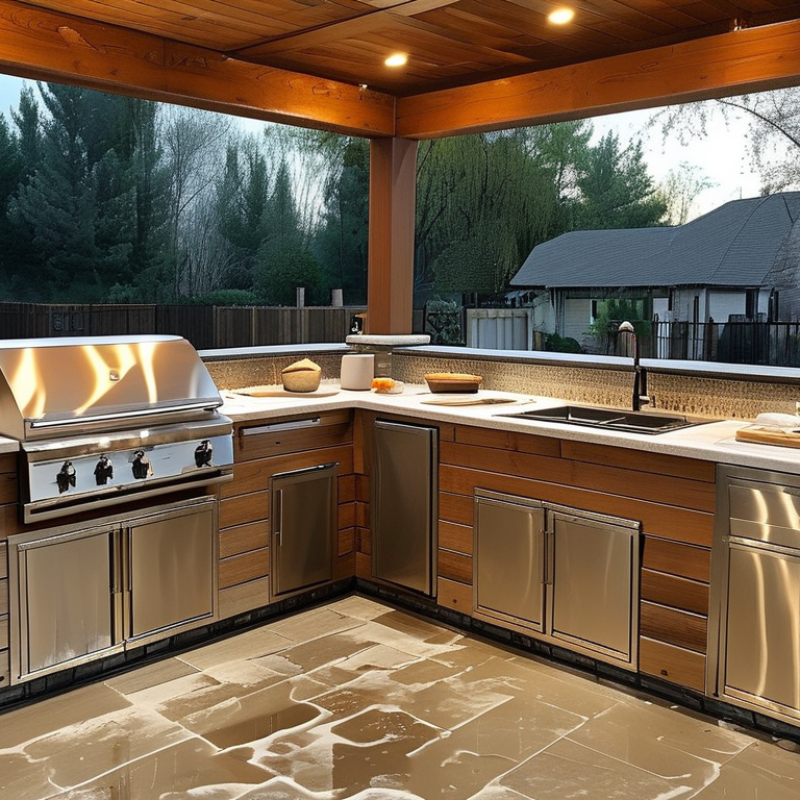
Best Materials for Outdoor Kitchen Cabinets: An Overview
When choosing materials for outdoor kitchen cabinets, durability is crucial. The extreme weather can impact the longevity of your cabinets. According to a report by the American Institute of Architects, homeowners increasingly prefer stainless steel for outdoor cabinets. This material resists rust, corrosion, and fading while providing a sleek, modern aesthetic. Additionally, stainless steel requires minimal maintenance.
However, there are concerns with heat transfer. This can make the cabinet surfaces hot to the touch. Homeowners should weigh this aspect carefully. Another popular choice is polymer. This material stands out for its resistance to moisture and UV damage. The Outdoor Living Report notes that polymer cabinets can last over 20 years, making them a reliable option.
Yet, polymer may lack the robustness of metals. It’s essential to consider the location of your outdoor kitchen when selecting materials. For example, coastal areas with salty air may require different materials compared to inland regions. Each choice has its strengths and weaknesses. Therefore, it's vital to match the material with your specific climate and usage needs.
Durability and Resistance: Key Factors for Outdoor Cabinet Materials
Choosing the best material for outdoor kitchen cabinets hinges on durability and resistance to harsh elements. Outdoor environments pose unique challenges, including exposure to moisture, UV rays, and temperature extremes. According to the American Society of Landscape Architects, about 70% of outdoor kitchens face persistent humidity. This statistic underscores the importance of selecting materials that withstand such conditions.
Stainless steel is a popular choice due to its corrosion resistance. A study from the American Stainless Steel Institute indicates that stainless steel can last decades with minimal maintenance. However, it's essential to consider potential scratches and dents. Alternatives like marine-grade polymer offer high resistance to water and fading. These materials are lightweight, yet they can be more expensive.
Another contender is treated wood, which provides a classic aesthetic. However, wood requires regular maintenance to prevent rot and warping. The Northwest Softwood Association explains that non-treated wood has a lifespan of only 5-10 years outside. This data highlights the need for careful selection and regular upkeep to maximize lifespan. Each material has its strengths and weaknesses, making it crucial to weigh options based on individual needs and regional climate factors.
Comparative Analysis of Wood, Metal, and Composite Materials
When choosing materials for outdoor kitchen cabinets, wood, metal, and composite options each have their distinct advantages and drawbacks. Wood often offers a warm, inviting look. It can be customized easily, but it requires regular maintenance to prevent rot and weather damage. The beauty of natural grains can fade over time, which might not appeal to everyone. Additionally, untreated wood may not withstand harsh weather conditions very well.
On the other hand, metal cabinets are durable and resistant to the elements. Stainless steel, for instance, adds a modern touch and can handle moisture without rusting. However, metal can become hot under direct sunlight, making it less user-friendly in summer heat. Ensuring proper insulation becomes necessary, which could complicate the design. Composite materials present a middle ground, combining the features of both wood and metal. They tend to be weather-resistant and low-maintenance but may lack the aesthetic charm of solid wood.
Each material has its own unique palette of challenges. The choice ultimately depends on your specific needs and preferences. Reflecting on these factors can help you make an informed decision that balances beauty with functionality.
Maintenance Requirements for Different Outdoor Kitchen Cabinet Materials
When selecting materials for outdoor kitchen cabinets, maintenance is crucial. Different materials require varied upkeep, which can significantly impact your overall experience. For instance, stainless steel cabinets are popular due to their sleek look and durability. They resist rust and corrosion, but they can easily show fingerprints and smudges. Regularly wiping them down is necessary to keep them looking pristine.
Wood cabinets offer a warm, natural aesthetic. However, they can be susceptible to water damage and fading from sun exposure. To maintain wooden cabinets, frequent sealing and refinishing may be required. This can be time-consuming and may not suit everyone’s lifestyle. On the other hand, polymer cabinets, though low maintenance, might not appeal to everyone in terms of design.
Choosing the right material involves balancing aesthetics and maintenance needs. It’s important to evaluate how much time you can realistically dedicate to upkeep. Heavy-duty materials may seem ideal, but their maintenance requirements should align with your lifestyle. Each choice carries pros and cons, which should reflect your personal needs and preferences.
Maintenance Requirements for Different Outdoor Kitchen Cabinet Materials
Cost Considerations and Budgeting for Outdoor Kitchen Cabinets
When planning an outdoor kitchen, cost is a crucial factor. Budgeting for outdoor kitchen cabinets requires careful consideration. Materials vary significantly in price. Stainless steel, for example, is durable but can be expensive. On the other hand, treated wood offers a rustic appeal at a lower cost, though it may need more maintenance.
Consider how often you cook outdoors. If it’s infrequent, spending less on cabinets may make sense. However, if your outdoor kitchen is a centerpiece for gatherings, investing in high-quality materials is wise. Water and weather can take a toll on your cabinets. Cheap options may not withstand the elements, leading to additional expenses over time.
It’s important to factor in installation costs, too. Some materials are easier to work with than others. Hiring a professional can add to your budget, but it ensures quality craftsmanship. Reflecting on your needs and habits will help you choose the right materials without overspending. Balancing quality and budget is essential in creating a functional outdoor kitchen.