What is the Best Office Furniture for Your Business Needs?
Choosing the right office furniture is crucial for any business. According to a recent survey by the Global Workplace Analytics, 71% of employees believe that office design impacts their productivity. The right setup does not just improve aesthetics; it enhances work efficiency and employee satisfaction.
Expert furniture designer John Smith states, "Good office furniture should reflect the company culture and support employee well-being." This insight highlights the role of office furniture in creating an environment where employees thrive. Many organizations overlook the ergonomic aspects, focusing instead on cost. This mistake can lead to discomfort and decreased productivity.
Investing in high-quality office furniture may seem expensive initially, but it pays off in the long run. The choice of chairs, desks, and collaborative spaces should not be taken lightly. Consideration of these factors can lead to a more engaged and healthier workforce.
What Factors to Consider When Choosing Office Furniture
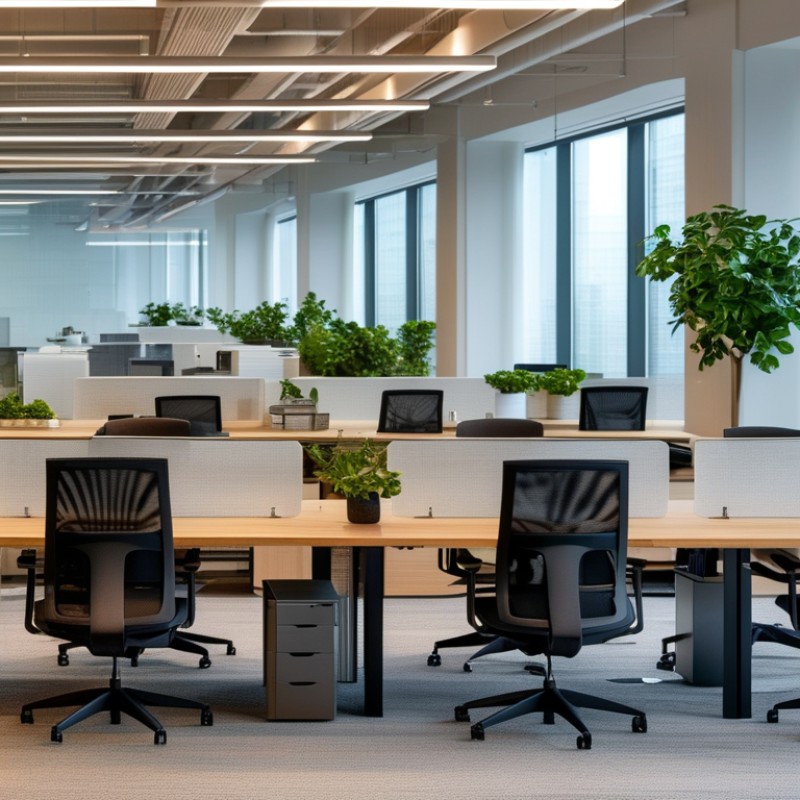
When selecting office furniture, several factors come into play. Start by considering the available space. Measure your area to ensure that your choices fit well without overcrowding. A desk that dominates the room can make it feel cramped. Think about the layout; an open space may benefit from modular furniture that promotes collaboration.
Ergonomics is another crucial aspect. Employees spend hours at their desks. Chairs should support posture and prevent discomfort. Adjustable furniture accommodates various body types. It’s worth investing in items that promote well-being. Don’t overlook storage options. Clutter can reduce productivity and morale.
Style and aesthetics are important too. The furniture should align with your company culture. Does your brand convey modernity or tradition? Make choices that reflect your identity. Consider versatile items that can adapt as needs change. Sometimes, simple solutions work best. Reflect on what has not worked in the past. Learning from previous mistakes can guide your current decisions.
What is the Best Office Furniture for Your Business Needs?
| Furniture Type |
Key Features |
Comfort Level |
Price Range |
Durability |
| Ergonomic Chair |
Adjustable height, lumbar support |
High |
$200 - $800 |
5-10 years |
| Standing Desk |
Adjustable height, spacious surface |
Medium |
$300 - $1,000 |
5-7 years |
| Conference Table |
Large surface, power outlets |
Medium |
$500 - $2,000 |
7-10 years |
| Filing Cabinet |
Lockable drawers, modular design |
High |
$150 - $600 |
10+ years |
| Reception Desk |
Stylish design, ample workspace |
Medium |
$400 - $1,500 |
5-10 years |
Impact of Ergonomics on Employee Productivity and Health
Ergonomics plays a crucial role in workplace productivity and health. When employees are comfortable, they can focus better and work efficiently. Poor furniture choices can lead to discomfort, strain, and even long-term health issues. Desks and chairs that adjust to individual needs are essential. They promote better posture and reduce fatigue.
Creating an ergonomic workspace requires attention to detail. For example, desk height should allow elbows to stay at 90 degrees. Monitor placement should prevent neck strain. These adjustments can seem small but make a significant difference. Sometimes, businesses overlook these factors, focusing only on aesthetics instead of functionality.
Many companies invest in trendy office setups. However, they may ignore the ergonomic needs of their teams. This can lead to a lack of productivity and increased employee turnover. A comfortable and supportive environment is not just about looks; it's about fostering well-being. Employers should regularly reassess their office design to ensure it meets the evolving needs of their staff.
Trends in Office Furniture Design for Modern Workspaces
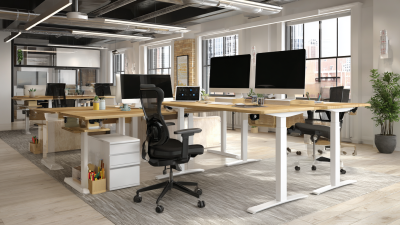
Modern office furniture design is evolving to meet the needs of today’s workspaces. Flexibility and functionality are key. Many businesses are opting for adaptable furniture that can change according to various tasks. Desks that transform from sitting to standing positions are becoming increasingly popular. They promote movement and help maintain health.
Sustainability is another significant trend. Companies are looking for eco-friendly materials in their office furniture. Bamboo, recycled wood, and sustainable fabrics are becoming staples. These choices not only help the environment but also create a positive brand image.
However, there are challenges. Finding the right balance between aesthetics and practicality can be tough. Some designs prioritize style over comfort. It's essential to ensure that furniture choices enhance productivity and well-being. Thoughtful design should consider the unique needs of a business while fostering collaboration. Ultimately, modern office furniture should create an inviting atmosphere while increasing efficiency.
Cost Analysis: Budgeting for Office Furniture Investment
When budgeting for office furniture, a clear strategy is essential. Determine your business needs first. This can influence the type and amount of furniture required. Consider workspace flow, employee comfort, and functionality. Each piece should enhance productivity while fitting your budget.
Analyze the costs thoroughly. Quality furniture can yield long-term savings, reducing the need for replacements. A study suggests that ergonomic chairs can minimize health-related absences. However, cheap furniture may lead to more frequent replacements, ultimately raising expenses. Look for multifunctional items that save both space and money.
Remember to factor in delivery and installation costs. Overlooked expenses can blow your budget. Research shows that many businesses regret not accounting for these costs. It's wise to build in a contingency for unexpected expenses. Reflection on past purchases can offer valuable insights into what to avoid.
Sustainable Office Furniture Options and Their Benefits
Sustainable office furniture has gained popularity in recent years. This trend reflects a growing awareness of environmental issues. More businesses are looking for greener options. They seek materials that reduce waste and pollution. Bamboo, reclaimed wood, and recycled metal are all excellent choices.
Choosing sustainable furniture has multiple benefits. It can improve employee morale and productivity. A green office feels fresh and inviting. Moreover, using eco-friendly materials may enhance your brand image. Clients often appreciate companies that prioritize sustainability. This choice can also lead to lower operational costs over time. Energy-efficient design reduces electricity consumption, ultimately saving money.
Despite the advantages, some may hesitate to transition. There can be concerns about quality and durability. Not all eco-friendly options are built to last. It requires careful selection to find reliable pieces. Additionally, sourcing sustainable materials can be more complicated than expected. Companies must ensure their suppliers follow ethical practices. Each decision should align with the organization’s values and capabilities. Balancing sustainability with functionality is essential for success.