What is the Best Type of Executive Chairs for Your Office?
When selecting the best executive chairs for your office, understanding the blend of comfort and functionality is key. Renowned office furniture expert John Smith emphasizes, "A well-designed executive chair enhances productivity and reflects professionalism." This quote embodies the essence of choosing the right chair for an executive setting.
Executive chairs are not merely aesthetic; they play a vital role in daily office life. A well-crafted chair promotes good posture, reducing strain during long hours of work. Choosing the wrong one can lead to discomfort and decreased efficiency. Consider the materials, adjustability, and support features that cater to your specific needs.
In today's marketplace, numerous styles and options exist. Yet, not all executive chairs meet the high standards of quality and design. It's important to invest time into research. Reflect on your requirements and the ambiance of your office. An exceptional executive chair can transform your workspace significantly.
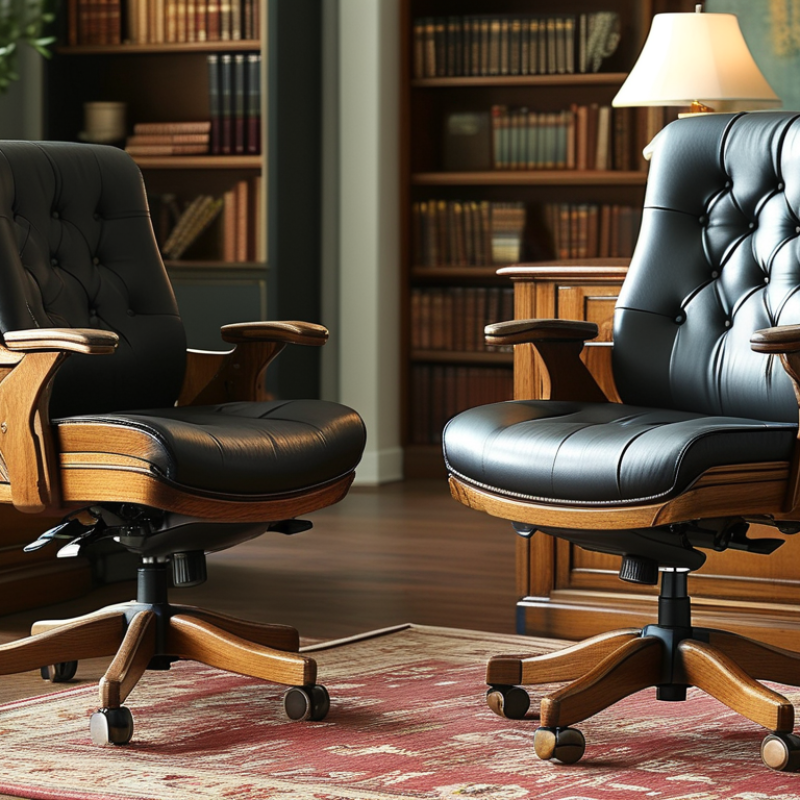
Types of Executive Chairs Available for Modern Offices
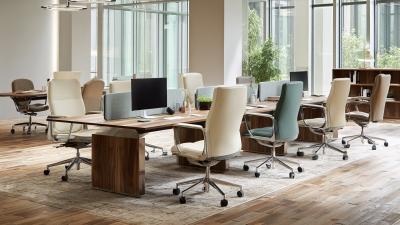
When choosing executive chairs for modern offices, various types are available. Each type appeals to different preferences.
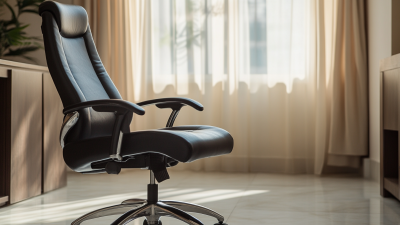
Ergonomic chairs are popular. They offer support for long hours of work. These chairs often feature adjustable height and lumbar support.
This customization helps reduce fatigue.
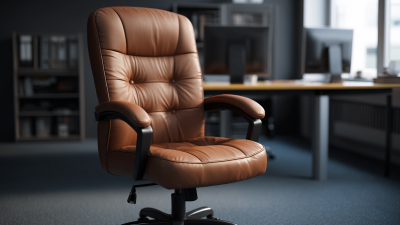
Another option is traditional leather chairs. They exude elegance and professionalism.
However, they can be less comfortable for extended use. It's important to consider personal comfort levels.
For a more modern touch, mesh chairs provide breathability. They help keep the user cool during hot days.
The sleek designs can complement any contemporary office space.
Tips: Always try sitting in a chair before buying. This helps in assessing comfort. Be mindful of adjustments.
A chair that fits well promotes productivity. Don’t rush the decision. Your chair is a long-term investment in your workspace.
Reflect on your daily tasks and choose accordingly.
Key Features to Consider When Choosing Executive Chairs
When choosing executive chairs for your office, consider several key features that enhance comfort and functionality. Look for ergonomic designs that support your posture. Chairs with adjustable height and lumbar support can significantly reduce back strain during long hours of work. The upholstery material is also important; breathable fabrics can enhance your comfort, especially in warmer environments.
**Tips:** Test the chair before purchasing. Sit in it for a while to gauge comfort. Look for features like armrests and seat tilt functionality. These adjustments can help you find a position that feels right.
Another vital aspect is the chair's mobility. Opt for models with smooth-rolling wheels, allowing easy movement across your office space. A sturdy base ensures stability, preventing any wobbling. Don’t overlook aesthetics; a well-designed chair can complement your office decor.
**Tips:** Choose a color that reflects your brand identity. A cohesive look can elevate the professional atmosphere. Investing time in selecting the right executive chair can lead to greater productivity. Reflect on what features matter most for your workstyle.
Popular Features of Executive Chairs
Ergonomics and Comfort: Essential Factors for Office Chairs
Choosing the right executive chair for your office is crucial. Ergonomics and comfort are essential factors that can significantly impact productivity and well-being. A well-designed chair supports proper posture, reduces strain, and enhances focus. It is essential to pay attention to adjustable features, such as seat height, armrest positioning, and lumbar support. These elements ensure that the chair accommodates individual body types.
Tips: When trying out a chair, sit for at least 10 minutes. Check if your feet can rest flat on the floor. The backrest should support your lower back effectively. If it feels uncomfortable, it might not be the right fit.
The material of the chair also plays a vital role in comfort. Breathable fabrics can help regulate temperature during long work hours. Some individuals may prefer supportive foam while others find mesh chairs more suitable. It's important to reflect on your personal preference. Comfort varies from person to person.
Tips: Consider rotating chairs if possible. This can provide varying levels of support and comfort. Listen to your body; discomfort can be a signal to adjust. Always prioritize your well-being when making a choice.
Materials and Design: Impact on Professional Environments
The materials and design of executive chairs significantly impact professional environments. Leather, mesh, and fabric are popular choices. Leather offers a classic look, evoking sophistication. However, it can be costly and may require extra care. Mesh chairs promote breathability and comfort, which is ideal for long working hours. But, they may lack the elegance desired in formal offices.
Design also plays a crucial role. Sleek and modern chairs can enhance the aesthetic of a workspace. Ergonomic designs are essential for comfort and productivity. A poorly designed chair can lead to discomfort and health issues over time. Choosing the right height and adjustability features is vital. Not all chairs accommodate every body type effectively, which can be a significant oversight.
Color is another aspect that cannot be ignored. Dark hues might convey authority, while lighter tones can create a more inviting atmosphere. Integrating the chair's design with the overall office decor can be challenging, as mismatched styles can detract from a cohesive look. Ultimately, investing in quality and appropriate design is crucial, but it requires careful consideration of both function and form.
What is the Best Type of Executive Chairs for Your Office? - Materials and Design: Impact on Professional Environments
| Chair Material |
Design Style |
Comfort Level |
Durability |
Average Price ($) |
| Leather |
Modern |
High |
High |
800 |
| Mesh |
Ergonomic |
Medium |
Medium |
400 |
| Fabric |
Contemporary |
Medium |
Low |
200 |
| Vinyl |
Classic |
Low |
Medium |
300 |
| Wood |
Traditional |
High |
High |
1200 |
Budget Considerations: Finding Quality Executive Chairs at Various Prices
When choosing executive chairs, budget is often a primary concern. A study from the Office Furniture Association reveals that the average spending on office seating is between $150 and $1,200. Many businesses aim for quality at a reasonable price. However, balancing cost and comfort is pivotal.
For an effective workspace, value must not be sacrificed for budget savings. Research indicates that ergonomic chairs can reduce work-related musculoskeletal disorders by up to 60%. Investing in quality can lead to fewer sick days and higher productivity. Companies should consider their employees' needs carefully when determining their budget for chairs.
In terms of budget tiers, you can find decent options under $300. These chairs may lack advanced features but can still provide essential comfort. In contrast, high-end chairs often exceed $800. They usually include better materials and adjustability. Ultimately, businesses need to reflect on what they prioritize in their office environment.