How to Choose the Best Operator Chairs for Global Offices?
Choosing the right operator chairs for global offices requires more than comparing prices or copying a popular design. Employees may work eight hours daily, shift between screens, or share the same workstation. Their body sizes, working habits, and comfort expectations can differ widely. A chair that feels supportive in London may feel too warm in Singapore. A compact seat may suit one team, yet restrict another.
Dr. Alan Hedge, a respected ergonomics researcher, put the principle plainly: “A chair should fit the person, not force the person to fit the chair.” This idea should guide every purchasing decision. Look for adjustable seat depth, lumbar support, armrests, back tension, and seat height. These features allow workers to create a stable posture without constant effort. The controls should feel obvious. Complicated mechanisms often remain untouched.
Global procurement also demands careful attention to materials, durability, maintenance, and local availability. Mesh backs can improve airflow in warmer offices. Upholstered seats may feel better in colder rooms. For shared workstations, easy cleaning and quick adjustment matter greatly. Independent testing, recognized safety certifications, warranty coverage, and replacement-part access can strengthen confidence.
Still, no operator chairs are perfect. A specification sheet cannot reveal every pressure point after six hours. A showroom trial may also hide problems that appear during a long shift. The best evaluation combines ergonomic evidence, employee feedback, and real workplace testing. Measure comfort over time. Listen to quieter users, too. This guide explains how organizations can compare operator chairs fairly and select models that support people, productivity, and responsible global operations.
Define Operator Chair Requirements for Global Workplaces
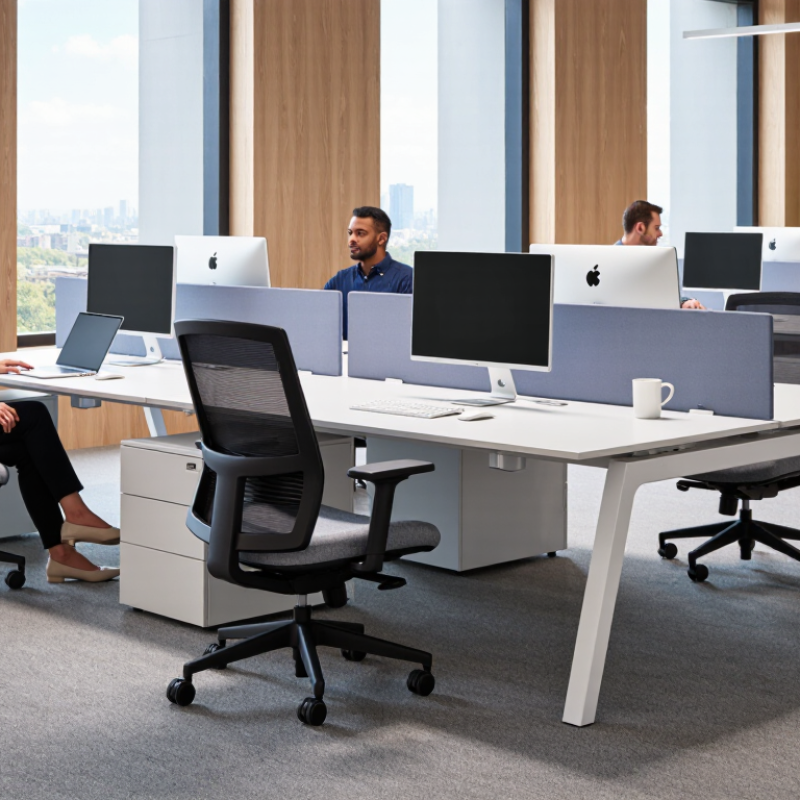
Global offices need operator chairs that match real working conditions, not just attractive specifications. Define requirements before comparing models. Start with daily use: computer work, customer support, control rooms, or mixed tasks. Record sitting hours, shift patterns, user heights, and shared-desk frequency. A chair for an eight-hour shift needs stronger support than one used occasionally.
Ergonomic requirements should include adjustable seat height, seat depth, lumbar support, armrests, and recline tension. These features help different employees maintain neutral posture. Check the adjustment range, not only the feature list. In one workplace trial, shorter users could not place their feet comfortably, despite having adjustable chairs. That result was easy to miss. Also assess breathable materials, cleanability, noise, castor performance, and floor compatibility. Regional climate matters too. A warm office may need cooler upholstery than a dry, air-conditioned site. Confirm applicable workplace guidance and product documentation in each market.
Tips: Create a user profile for every office. Test chairs with employees of different heights. Ask users to work for at least thirty minutes. Measure pressure points, reach, and movement. Review complaints after installation. Do not trust a short showroom test. A perfect specification may still feel wrong. Allow room for revision.
Assess Ergonomics, Adjustability, and User Compatibility
Choosing operator chairs for global offices requires more than comparing seat height and fabric. WHO reports that 1.71 billion people live with musculoskeletal conditions, with low back pain as a leading contributor to disability. Chair selection therefore deserves the same care as workstation planning.
Assess adjustability through real movements. The seat should support different thigh lengths without pressing behind the knees. A practical range often includes seat-height adjustment, sliding depth, lumbar-height control, and armrests that move inward and outward. OSHA’s Computer Workstations guidance recommends keeping shoulders relaxed, elbows near the body, and feet supported. Test these positions with short and tall users, not only showroom staff.
Fit matters more than features.
For global offices, observe local work habits, clothing, climate, and desk heights. A narrow seat may suit one employee but restrict another. A fixed back angle may also conflict with users who alternate between typing, calls, and focused reading. ISO 9241-5 emphasizes adjustable workstation design, yet adjustability can become confusing when controls lack clear labels. That is an easy mistake to miss. Run a 15-minute trial with employees across body sizes, record pressure points, and ask whether controls are understandable without training. The assessment may reveal that the most expensive chair still fits poorly. Recheck after four weeks, because first impressions often hide fatigue.
Compare Materials, Durability, and Maintenance Requirements
How to Choose the Best Operator Chairs for Global Offices?
Material selection should begin with climate, usage, and cleaning routines. Mesh improves airflow in hot offices, but its tension can weaken under constant loading. Fabric feels warmer and hides minor marks, yet it absorbs spills. Polyurethane upholstery wipes clean quickly, although heat and frequent disinfecting may cause cracking. Leather-like surfaces appear refined, but they often need careful conditioning. In my experience, a removable seat cover is more practical than a perfect-looking finish. Small details matter.
Durability requires evidence, not attractive specifications. Ask for compliance with ANSI/BIFMA X5.1 performance testing, including backrest, base, and caster assessments. A 2024 Circularity Gap Reporting Initiative report found that only 7.2% of global material use was circular. That figure supports choosing replaceable arm pads, casters, gas lifts, and upholstery. Repairable parts reduce disposal pressure across international offices. They also simplify local maintenance.
Maintenance plans should match real behavior. Provide neutral detergent, soft cloths, and monthly inspection points. Avoid harsh solvents. They age surfaces quickly. Facilities teams should record squeaks, loose controls, torn seams, and unstable casters by location. The U.S. Occupational Safety and Health Administration recommends adjustable seating for computer workstations, so each chair should support seat-height, backrest, and armrest adjustment. However, adjustment ranges alone can mislead. Test chairs with different body sizes, clothing layers, and desk heights before approving a global standard. Some “universal” designs are not universal enough.
How to Choose the Best Operator Chairs for Global Offices?
Comparing common upholstery materials by durability and maintenance requirements
Scores use a practical 1–5 comparison based on common material characteristics: resistance to daily wear, ease of routine cleaning, stain resistance, and suitability for shared-office environments. Higher scores indicate better performance. Actual results depend on chair construction, cleaning products, usage intensity, climate, and maintenance procedures.
Verify Safety Standards, Shipping, and Regional Support
Choosing operator chairs for global offices requires more than comparing seat height and fabric. Verify the applicable safety standard in each market. ANSI/BIFMA X5.1 covers office chair durability and stability in North America, while EN 1335 addresses office seating dimensions and safety in Europe. Ask suppliers for current test reports, load ratings, adjustment-cycle results, and certificates from independent laboratories. A catalogue claim is not evidence.
Shipping deserves equal attention. UNCTAD’s Review of Maritime Transport 2024 states that over 80% of global merchandise trade moves by sea. Delays, port congestion, and customs requirements can therefore affect office opening dates. Request carton dimensions, pallet counts, country-of-origin documents, and damage procedures before ordering. Confirm whether replacement cylinders, casters, and armrests are stocked locally. Small parts matter.
Regional support is often underestimated. The World Bank’s Logistics Performance Index 2023 assessed 139 economies and showed wide differences in customs, infrastructure, and delivery reliability. A global chair program should reflect those differences. Require response-time targets, local-language manuals, installation guidance, and service contacts in every region. I once treated a three-day delivery promise as universal; it was not. That assumption created avoidable downtime. Ask for a pilot shipment to one difficult destination, then inspect packaging, assembly instructions, and post-delivery support. The cheapest quote may become expensive when one missing part crosses an ocean.
Evaluate Total Cost and Select the Best Chair Model
Choosing operator chairs for global offices requires more than comparing purchase prices. A low-cost chair can become expensive after shipping, assembly, repairs, and early replacement. Calculate the total cost over five years. Include local taxes, delivery, spare parts, warranty coverage, and technician visits.
I assess each model against actual working conditions. Does the seat support eight-hour shifts? Can users adjust the height, back tension, and armrests without help? A durable frame, replaceable casters, and breathable upholstery may reduce long-term expenses. Test chairs on local flooring, because hard surfaces and carpet create different wear patterns. Small details matter.
User feedback is essential. Ask employees about pressure points, noise, and adjustment difficulties after several weeks. Cost spreadsheets can miss comfort. They can also hide regional service delays. Select one model for standard workstations, but allow alternatives for smaller users or specific accessibility needs. In my view, buying identical chairs everywhere sounds efficient, yet it may ignore climate, body sizes, and maintenance capacity. That approach needs reflection. Reliable records should track failure rates, repair times, and user complaints by office. Procurement teams can then compare performance, not promises. The best model is the one that remains comfortable, serviceable, and financially sensible across its full operating life.