How to Clean Polyester Rugs Effectively?
Cleaning Polyester Rugs can seem daunting. They bring warmth and comfort to our homes but can quickly accumulate dirt and stains. Polyester rugs are popular for their durability and vibrant colors. However, without proper care, they can lose their charm.
Maintaining the look and feel of polyester rugs requires specific techniques. Using the wrong cleaning methods can lead to fading or damage. It's crucial to use gentle, effective methods that won't compromise the fabric. Investing time in cleaning can extend the life of your rug and keep it looking fresh.
Many people overlook the importance of regular maintenance. Simple actions like vacuuming can make a big difference. Yet, some might neglect this, allowing dirt to build up. Cleaning polyester rugs doesn't have to be complicated. With the right approach, you can keep your rug in excellent condition for years.
Choosing the Right Tools and Supplies for Cleaning Polyester Rugs
Choosing the right tools is essential for cleaning polyester rugs effectively. Start with a soft-bristled vacuum cleaner attachment. This prevents damage while removing dirt and dust. Another useful tool is a lint roller. It quickly picks up pet hair and small debris. Both tools are easy to use and can be found in most homes.
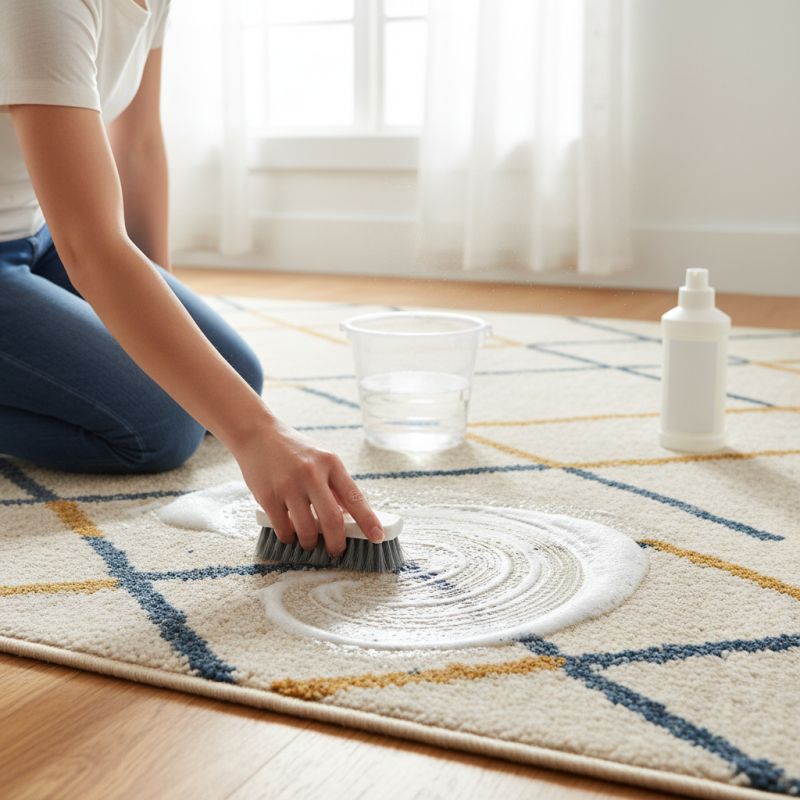
When it comes to cleaning solutions, opt for mild detergents. Harsh chemicals can harm polyester. Mixing a small amount of detergent with water can create a safe cleaning solution. A spray bottle works best for applying this mix to stained areas. For tough stains, a soft brush can help lift dirt without fraying the fibers. Be cautious; scrubbing too hard may damage the rug's surface.
Don't overlook the importance of regular maintenance. Even simple tasks, like shaking out the rug outdoors, can make a difference. Reflect on your cleaning habits. Are you addressing spills immediately? Procrastination leads to tougher stains. Adjust your routine as needed. Each step is a chance to protect, rather than damage, your polyester rug.
Understanding Different Cleaning Methods for Polyester Rugs
When it comes to cleaning polyester rugs, understanding various methods is crucial. Polyester is a durable synthetic fiber, but it can attract dirt and stains easily. Many homeowners often overlook the need for specialized cleaning techniques. This can lead to premature wear and a less appealing appearance over time.
One effective method is vacuuming. Regular vacuuming removes loose dirt and debris. This simple step prevents particles from embedding in the fibers. For deeper cleaning, a mixture of mild detergent and water is useful. Dab the solution on stains rather than soaking the rug. Excess moisture can cause problems. You might notice some spots remain stubborn. Perhaps retrying or using a different cleaner could help.
Steam cleaning is another popular option. It provides a thorough clean without harsh chemicals. However, it can be risky if not done properly. Over-saturating the rug can lead to mold growth. Always test a small area before full application. This ensures the cleaning method won't damage your rug. Cleaning polyester rugs requires care and consideration.
Preparing Your Polyester Rug for Cleaning
When preparing your polyester rug for cleaning, start by removing loose dirt and debris. Use a vacuum cleaner with a brush attachment. This helps lift dust and pet hair. Pay close attention to corners and edges, where dirt often accumulates. It might be tempting to skip this step, but it makes a difference.
Next, check for stains. Use a damp cloth to blot any visible marks. A gentle solution can help, but test it in an inconspicuous area first. Sometimes, stains don’t come out immediately. It’s okay; patience is key during this process. You may need to repeat this step a few times before choosing the right solution.
Finally, consider the rug’s location. Move furniture if needed to reach all areas. This may be inconvenient, but it ensures a thorough clean. The preparation stage sets the tone for the entire cleaning process. Taking your time here pays off later. Your efforts, though challenging at times, will enhance the rug’s lifespan and appearance.
How to Clean Polyester Rugs Effectively? - Preparing Your Polyester Rug for Cleaning
| Step | Action | Duration | Tools Needed |
| 1 | Vacuum the rug | 5-10 minutes | Vacuum cleaner |
| 2 | Spot clean stains | 10-15 minutes | Mild detergent, cloth |
| 3 | Prepare cleaning solution | 5 minutes | Water, vinegar, spray bottle |
| 4 | Scrub gently | 15-20 minutes | Soft brush |
| 5 | Rinse with water | 10 minutes | Clean water, mop |
| 6 | Dry the rug | 1-2 hours | Drying area |
Step-by-Step Guide to Spot Cleaning Polyester Rugs
To effectively spot clean polyester rugs, start by identifying the stain type. Common culprits include food, drinks, or pet accidents. Gather your cleaning supplies: a clean cloth, a mild detergent, and warm water. Dampen the cloth without soaking it. Gently blot the stain, avoiding rubbing that can damage fibers.
Be mindful of how you treat different stains. For greasy stains, try mixing a few drops of dish soap with water. Apply it cautiously to the stain. Rinse with a damp cloth to avoid residue. For ink or dye, you might need a specialized cleaner. Always test a small section first.
Tips: Act quickly. The sooner you tackle the stain, the better the results. Avoid over-wetting your rug; too much water can lead to mold. After cleaning, let the rug dry completely, preferably in a well-ventilated area. Don't rush the drying process. Patience is key.
Deep Cleaning Techniques for Polyester Rugs at Home
To effectively clean polyester rugs at home, deep cleaning techniques are essential. Polyester is a popular fiber, known for its durability and stain resistance. However, it can harbor dirt, dust, and allergens over time. Reports show that about 20% of indoor air pollutants come from rugs and carpets. Deep cleaning helps mitigate this issue.
One effective method is using a steam cleaner. Steam penetrates the fibers, loosening dirt and grime. This not only enhances the rug's appearance but also improves air quality. Studies indicate that regular deep cleaning can extend the lifespan of polyester rugs by 50%. Make sure to follow the manufacturer's guidelines for best results. Another approach is creating a cleaning solution using mild detergent and warm water. Test the solution on a small area first. Scrubbing gently in circles can prevent damage while ensuring thorough cleaning.
While deep cleaning can yield significant results, it’s not foolproof. Some stains may persist and require professional intervention. It’s crucial to assess your rug's condition before choosing a cleaning method. Regular maintenance helps, but deep cleaning every six months is advisable to keep polyester rugs looking new and to reduce allergens.
Effectiveness of Deep Cleaning Techniques for Polyester Rugs
This chart displays the effectiveness of various deep cleaning techniques for polyester rugs based on user feedback and expert recommendations. The effectiveness is rated on a scale from 1 to 10, with 10 being the most effective.