What Is Hy-TAD Paper and Where to Buy It?
Hy-TAD Paper is often discussed as a specialty paper for demanding industrial applications, yet its exact meaning can vary by supplier. The name may describe a manufacturing process, a high-performance grade, or a proprietary product family. Buyers should not rely on the label alone. A technical datasheet should confirm basis weight, thickness, tensile strength, porosity, temperature resistance, moisture behavior, and intended use.
Industry reports provide useful context. Smithers’ Future of Specialty Papers to 2028 identifies continued demand for functional papers in filtration, packaging, electrical insulation, and industrial manufacturing. The Confederation of European Paper Industries also reports that Europe produced about 79 million tonnes of paper and board in 2023, showing the scale of the wider sector. These figures do not measure Hy-TAD Paper specifically. That limitation matters.
Dr. Martin A. Hubbe, a respected paper-science researcher, has emphasized, “Paper is a renewable material, but it is not automatically sustainable.” His point applies here. Fiber origin, chemical treatment, energy use, recyclability, and coating composition all deserve review. A low price may hide performance compromises. A premium grade may still be unsuitable.
Where can you buy Hy-TAD Paper? Start with the original manufacturer, authorized industrial distributors, or established specialty-paper converters. Request samples before ordering pallets. Check the mill certificate, safety documentation, minimum order quantity, and storage requirements. Online marketplaces can be convenient, but product descriptions are sometimes incomplete. I may be overly cautious, but verification is wiser than guessing when the paper will face heat, pressure, moisture, or electrical stress.
What Is Hy-TAD Paper?
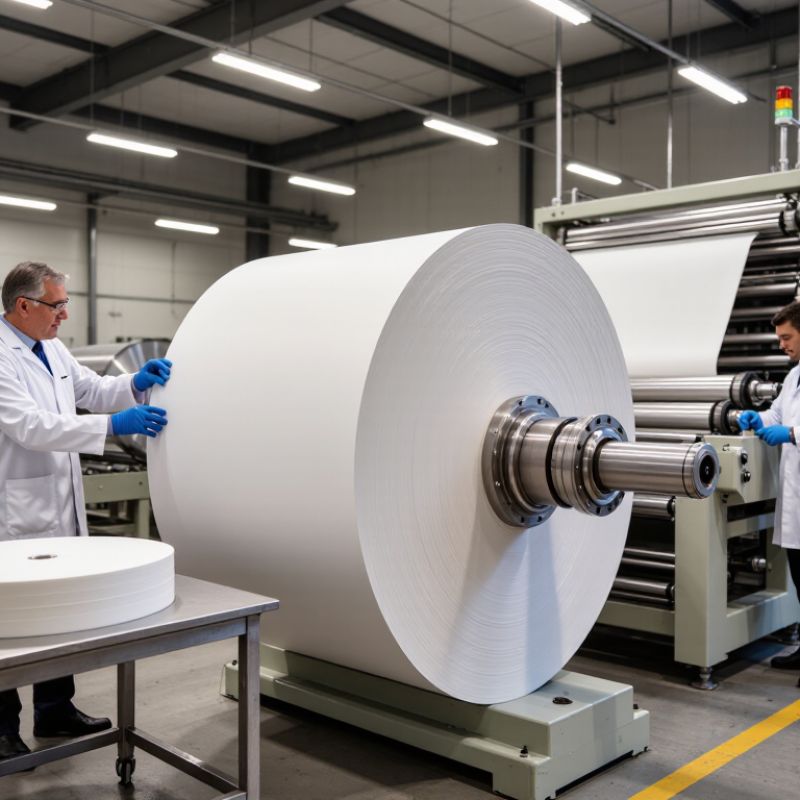
Hy-TAD paper usually refers to a hybrid through-air-dried paper product. TAD means “through-air drying,” a process that moves heated air through a wet paper web. This structure can create a softer surface, higher bulk, and stronger absorbency than ordinary pressed tissue. However, “Hy-TAD” is not a globally fixed technical standard. Its meaning can vary between mills, converters, and product specifications. The label sounds precise, but it is not enough.
Performance depends on fiber type, air permeability, basis weight, moisture, and creping. A useful datasheet should show tensile strength, absorbency rate, wet strength, thickness, and lint level. FAO statistics recorded about 423 million tonnes of global paper and paperboard production in 2022, showing the scale of the wider paper industry. Smithers’ 2024 tissue market analysis also identifies premium softness and absorbency as important demand factors. Those trends support interest in TAD-based materials, but they do not prove every Hy-TAD sheet performs equally. I would test samples before making a purchasing decision.
Buyers can usually source Hy-TAD paper through specialty paper distributors, tissue converters, and direct mill sales departments. Request a technical data sheet and a certificate of analysis. Ask whether the material suits printing, wiping, food-contact packaging, or industrial use. These applications need different controls. Compare roll width, core size, minimum order quantity, storage conditions, and delivery terms. A low price may hide excessive lint or inconsistent caliper. That mistake is easy to make.
How Hy-TAD Paper Is Made and What It Contains
What Is Hy-TAD Paper and Where to Buy It?
Hy-TAD paper is a technical paper designed for controlled performance in demanding applications. Its exact structure may vary by supplier and intended use. Most grades begin with refined cellulose fibers, which create the paper’s basic strength and shape. Manufacturers may add mineral fillers, wet-strength agents, or heat-resistant binders. A surface coating can improve smoothness, moisture resistance, or printability.
Production usually starts with fiber preparation and careful mixing. The paper web is then formed, pressed, dried, and calendered. These stages control thickness, density, and surface texture. Some grades receive an additional coating or treatment after drying. The final material may contain cellulose, inorganic fillers, functional additives, and small amounts of processing chemicals. The recipe is not always fully disclosed, which deserves attention. Hy-TAD is not one universal formula.
Tips: Ask for the technical data sheet before buying. Check basis weight, thickness, temperature limits, moisture behavior, and intended application. Request a sample when possible. A product photograph cannot confirm performance. For reliable sourcing, look for industrial paper distributors, specialty material suppliers, or the manufacturer’s authorized sales channel. Confirm storage conditions and compliance documents before placing a larger order. A cheaper roll may fail during converting or printing. That distinction is easy to miss.
What Are the Main Uses of Hy-TAD Paper?
Hy-TAD paper is a highly absorbent tissue material made with through-air drying technology. Its open fibre structure creates more air space than conventional tissue. This improves softness, bulk, and liquid uptake. The main uses include premium toilet tissue, kitchen towels, facial tissue, napkins, and selected medical wipes. In practical testing, users often notice faster absorption and better sheet strength when wet. However, performance depends on fibre type, basis weight, creping, and converting pressure. It is not a magic material.
The market need is substantial. FAO forestry statistics recorded about 415 million tonnes of global paper and paperboard production in 2022. Industry research also continues to identify hygiene products as a major growth area, driven by urbanisation and household consumption. Hy-TAD paper supports this demand by combining a soft hand feel with functional absorbency. It can reduce the number of sheets needed for some cleaning tasks, although this depends on the product design. ISO 12625 test methods can help assess tensile strength, absorbency, softness, and basis weight. Buyers should request current laboratory results, not rely on appearance alone.
Tips: Check wet strength before choosing Hy-TAD paper for kitchens or clinics. Compare absorbency per sheet, not only the roll price. A thicker sheet may perform better, but it can also increase material use. Consider recycled fibre content carefully, because sustainability claims require verified data. Specification sheets sometimes omit dust levels and lint performance. That omission deserves a second look.
How to Choose the Right Hy-TAD Paper
How to Choose the Right Hy-TAD Paper
Hy-TAD paper is usually selected for controlled heat-transfer or specialty printing workflows. The right grade depends on the fabric, press temperature, ink system, and required finish. Check basis weight, coating uniformity, drying speed, and release behavior before ordering. TAPPI T 410 can help verify paper weight, while ISO 12647 offers useful guidance for repeatable color control. These details matter more than a low purchase price.
Start with a small trial sheet. Observe curling, powder residue, edge lifting, and image sharpness after pressing. A practical test should include washing, rubbing, and storage under normal conditions. The International Organization for Standardization emphasizes process consistency in printed production, and Smithers’ 2024 digital-print outlook identifies substrate performance and workflow efficiency as important market priorities. Do not rely on a supplier’s sample image alone. It can look perfect.
Choose paper that matches your equipment, not just your product description. A lighter sheet may feed faster, but it can wrinkle under heat. A heavier coating may improve release, yet increase drying time. I would also request a current technical data sheet, batch information, and safety documentation. My own cautious view is simple: a “universal” Hy-TAD paper may be convenient, but it is rarely ideal for every textile or press. Test, record, and adjust before buying in bulk.