Choosing the right Red Wine Glasses in 2026 involves more than following a fashionable table setting. Bowl shape, rim diameter, stem length, and crystal thickness can influence aroma, temperature, and drinking comfort. A wide Burgundy glass may open delicate Pinot Noir aromas, while a taller Bordeaux glass can guide structured Cabernet toward the palate.
This guide examines the leading types, including Bordeaux, Burgundy, universal, and specialty Nebbiolo glasses. It compares their practical strengths, not just their visual appeal. A generous bowl can collect fragrant notes of cherry, violet, or cedar. However, it may feel awkward in a small dishwasher or crowded dining room. A universal glass offers flexibility, but it rarely delivers the most expressive result for every red wine.
Real-world use matters.
Professional sommeliers often assess how a glass performs during tasting, service, washing, and storage. Home drinkers should consider those same details. Thin rims can feel elegant, yet they may require careful handling. Stemless designs resist tipping, but warm hands can quickly raise the wine’s temperature. These trade-offs deserve honest attention.
The selections ahead reflect established wine-service principles and current glassware developments. They are not absolute rules. Personal preference, wine style, budget, and hand comfort can change the best choice. Even experienced tasters sometimes disagree. That is useful, because the “perfect” glass remains partly subjective. The goal is a reliable match between the wine, the occasion, and the person holding the glass.
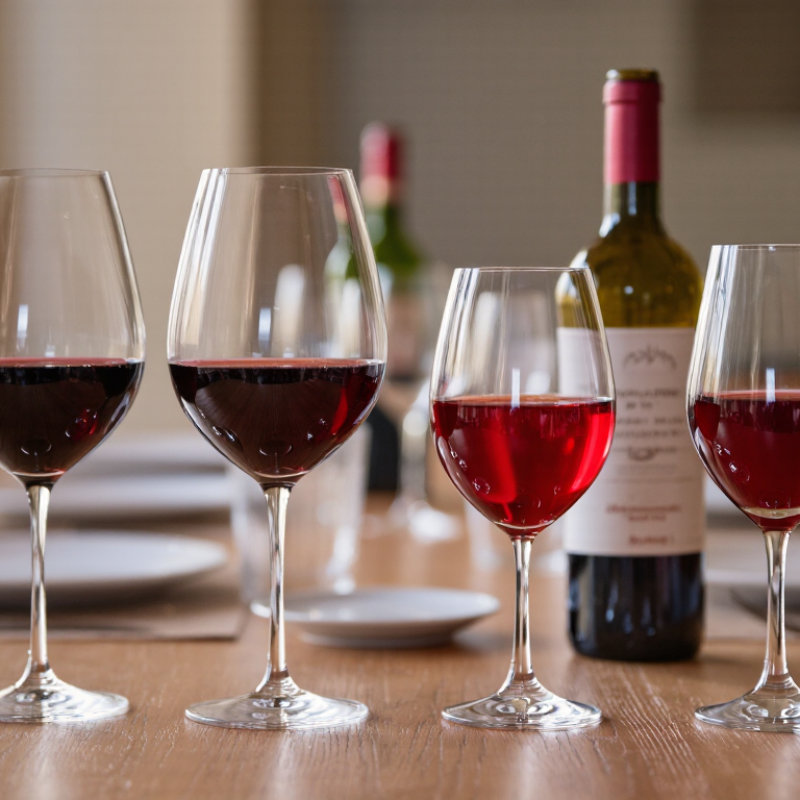
A red wine glass does more than hold liquid. Its bowl gives aromas room to collect, while the narrow rim guides them toward the nose. That changes the first sip. Shape should match the wine’s structure, not a passing trend.
A Bordeaux glass usually has a tall bowl and moderate opening. It suits full-bodied reds with firm tannins, because its height supports gentle swirling and controlled aeration. A Burgundy-style glass has a wider, rounder bowl. It works well with delicate, fragrant reds, allowing subtle fruit and earthy notes to rise. A universal red wine glass offers a practical middle ground for smaller kitchens and mixed collections.
Essential features matter as much as shape. Look for a thin, smooth rim that feels clean against the lips. A clear bowl helps you judge color, clarity, and sediment. A stable foot reduces spills, while a comfortable stem keeps warm fingers away from the wine. The glass should also feel balanced when lifted, not top-heavy. In 2026, many drinkers prefer lighter glasses with generous bowls, but larger does not always mean better. I once chose an oversized glass for a quiet dinner, and the wine seemed strangely faint. The problem may have been my serving size, not the glass. A bowl that is easy to wash and store often proves more useful than an impressive shape. Hand washing can protect delicate rims, although careful dishwasher use may be acceptable for sturdier designs.
| Glass Type | Best Suited Wines | Typical Capacity | Bowl Shape and Size | Primary Purpose | Essential Features | Recommended Pour |
|---|---|---|---|---|---|---|
| Bordeaux Glass | Full-bodied, tannic reds such as Cabernet Sauvignon, Merlot, Cabernet Franc, and structured red blends | 550–750 ml | Tall, broad bowl with relatively straight sides and a moderately narrow rim | Provides generous aeration while directing wine toward the center and back of the palate | Large surface area, tall bowl, tapered opening, long stem, and stable foot | 120–180 ml, leaving ample space for swirling |
| Burgundy Glass | Delicate, aromatic reds such as Pinot Noir, Gamay, and fragrant cool-climate varieties | 650–1,000 ml | Very wide, rounded bowl that narrows noticeably toward the rim | Captures subtle aromas and spreads delicate wine across the front and middle of the palate | Extra-large bowl, pronounced curve, narrow rim, long stem, and thin lip | 100–150 ml, typically below the widest part of the bowl |
| Universal Red Wine Glass | A broad range of red wines, including medium-bodied blends, Sangiovese, Syrah, and everyday table reds | 450–650 ml | Medium-to-large bowl with a rounded body and gently tapered rim | Balances aroma concentration, aeration, and practical versatility | Moderately wide bowl, tapered rim, comfortable stem, and easy-to-clean proportions | 120–150 ml |
| Cabernet Glass | Bold Cabernet Sauvignon, Malbec, Nebbiolo, Petite Sirah, and other tannic reds | 550–750 ml | Large, elongated bowl with a broad base and narrower upper section | Softens the perception of firm tannins through aeration and emphasizes layered aromas | Roomy bowl, elevated aroma chamber, narrow rim, thin edge, and adequate stem length | 120–180 ml |
| Syrah or Rhône Glass | Syrah, Shiraz, Grenache-based blends, Mourvèdre, and spicy full-bodied reds | 500–700 ml | Broad, rounded bowl with a slightly narrower rim than the widest section | Encourages the release of peppery, floral, fruit, and savory aromas | Rounded bowl, sufficient headspace, tapered rim, thin crystal or glass, and balanced stem | 120–160 ml |
| Chianti or Medium-Bodied Red Glass | Sangiovese, Tempranillo, Barbera, Zinfandel, and other medium-bodied reds | 400–600 ml | Medium-sized bowl with a rounded base and moderate taper | Maintains freshness while offering enough space for moderate aeration | Versatile proportions, moderate bowl width, defined rim, stable foot, and comfortable grip | 100–150 ml |
| Stemless Red Wine Glass | Casual service of most red wines, especially younger and easy-drinking styles | 350–550 ml | Rounded or gently tapered bowl without a separate stem | Offers durability and stability for informal settings while retaining basic aroma space | Heavy stable base, curved bowl, thick or impact-resistant construction, and easy handling | 90–150 ml |
| Small Red Wine Glass | Light-bodied reds, tasting flights, lower-alcohol wines, and portion-controlled service | 300–450 ml | Compact bowl with a modest taper and narrower aroma chamber | Supports controlled portions and preserves the balance of lighter red wines | Smaller footprint, clearly defined rim, adequate bowl height, and easy storage | 75–120 ml |
| Crystal Red Wine Glass | Any red wine when clarity, thinness, and a refined tasting experience are priorities | 450–1,000 ml | Shape varies; commonly follows Bordeaux, Burgundy, or universal proportions | Enhances tactile sensitivity and visual clarity rather than defining a specific wine style | Thin rim, high transparency, precise bowl design, balanced stem, and careful handling requirements | 120–180 ml, depending on bowl capacity |
General guidance: Capacities and serving amounts are typical ranges rather than fixed standards. A glass should normally be filled no more than one-third full so the wine can be swirled and its aromas can collect above the liquid.
Update your browser to view this website correctly. Update my browser now