Ultimate Guide to Choosing the Best Task Chairs for Comfort
Choosing the right task chairs is crucial for both productivity and comfort. Many people overlook this essential aspect of their workspace. The right chair can significantly impact your posture, concentration, and overall well-being during long hours of work.
Task chairs come in various designs and styles. Some offer lumbar support while others focus on aesthetic appeal. It's easy to get lost in the options. Many users often choose based on looks rather than comfort. This can lead to discomfort and health issues down the line. You might think you don’t spend too much time sitting, but hours can easily add up.
When selecting task chairs, consider your unique needs. Do you require extra cushioning or adjustable features? Pay attention to materials and ergonomics. While price is a factor, don’t sacrifice comfort for budget. Investing in a quality chair will pay off in the long run. Your body deserves the best support possible.
Understanding the Importance of Comfort in Task Chairs
Comfort plays a crucial role in the design of task chairs.
When we sit for long hours, our bodies need support to maintain good posture.
An uncomfortable chair can lead to fatigue and distraction.
A well-designed task chair reduces strain on the back and promotes productivity.
Envision a chair that contours to your body, offering support where it’s needed most.
This can transform your workspace experience.
However, not all chairs labeled as comfortable truly deliver.
Some may feel great initially but lead to discomfort over time.
It is essential to test various options.
Adjustability is key; a chair should cater to individual body types.
The seat height, depth, and lumbar support must be tailored to you.
Small details can make a significant difference.
A chair that seems perfect might not be the best choice in reality.
Listening to your body is vital in this process.
Remember, comfort is subjective.
What works for one person may not work for another.
Take time to explore different features and materials.
Observe how your body responds during long hours of work.
An ideal task chair promotes comfort and encourages proper posture, but personal preference matters greatly.
The importance of comfort in task chairs cannot be overstated, yet the journey to find the right fit is often filled with trial and error.
Key Features to Consider When Selecting a Task Chair
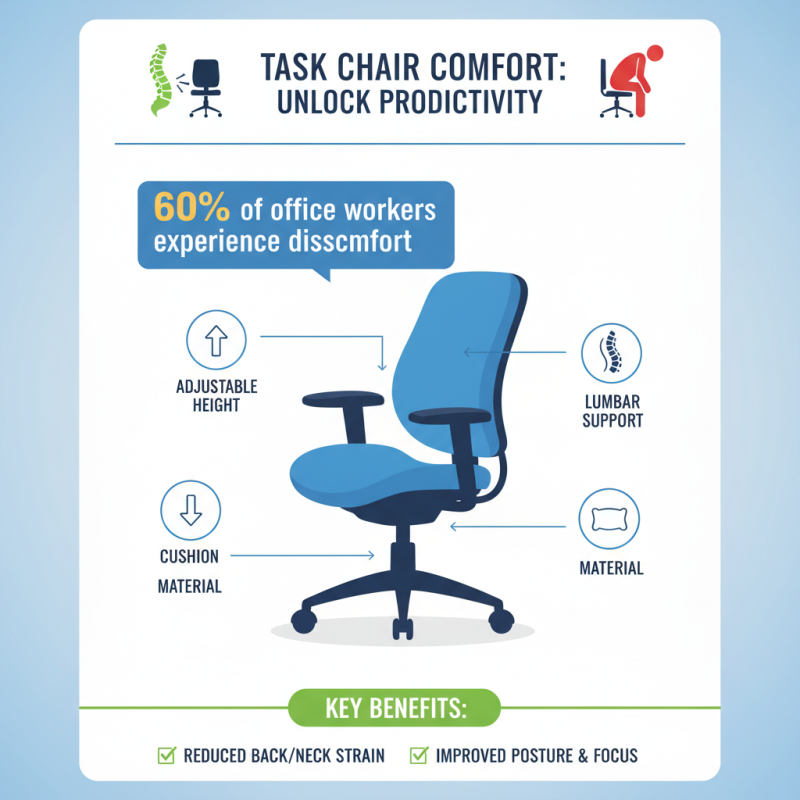
When selecting a task chair, comfort is paramount. Research indicates that over 60% of office workers experience discomfort due to poor seating choices. Key features to consider include adjustable seat height, lumbar support, and cushion material. A chair with adjustable features allows users to find their ideal sitting position, reducing strain on the back and neck.
Lumbar support is crucial for maintaining spinal health. A study found that chairs with lumbar support can enhance productivity by up to 20%. The cushion material should provide adequate firmness to prevent sinking while also being soft enough to alleviate pressure points. Consider breathable fabrics to maintain a comfortable temperature during long hours of use.
The aesthetics of a task chair also play a role, impacting the overall environment. A chair might look appealing but may lack in ergonomics. It's essential to balance style with functionality. Remember that no chair will be perfect for everyone. Regular adjustments and breaks are vital for maintaining comfort throughout the day.
Different Types of Task Chairs and Their Benefits
When selecting a task chair, consider various types and their unique benefits. Task chairs are designed to support extended sitting periods. One popular option is the ergonomic chair, which promotes proper posture. These chairs often have adjustable features, ensuring a personalized fit for different body types. The lumbar support can alleviate back pain during long working hours.
Another type is the mesh chair. Its breathable material keeps you cool and comfortable. Mesh chairs often come with minimal padding, which may not suit everyone. Some users find the lack of cushioning uncomfortable. However, the lightweight design makes them easy to move around. They are perfect for dynamic workspaces.
Lastly, there's the stool or drafting chair. These are ideal for those who alternate between sitting and standing. The height-adjustability feature is a big plus. Still, sitting on a stool for too long can lead to fatigue. It’s important to take breaks and evaluate your comfort level. Each chair has pros and cons, and it's crucial to find a balance that works for you.
Adjustability and Ergonomics: Finding Your Perfect Fit
Choosing the right task chair is crucial for comfort and productivity. Adjustability and ergonomics are key factors. A well-designed chair supports your body in all the right places. It can reduce fatigue and enhance your focus. Look for features like seat height adjustment, lumbar support, and armrest flexibility.
Tip: When testing a chair, sit in it for at least 10 minutes. Pay attention to how your back feels against the lumbar support. This will help you determine if it provides enough support. Ideally, your feet should rest flat on the ground, with your knees slightly lower than your hips.
Also, consider the material of the chair. Breathable fabrics can help keep you cool during long hours. However, some materials may wear out or feel uncomfortable over time. Reflect on your experience and adjust accordingly. Comfort is personal, and what works for one may not work for another. Experiment with different options to find your perfect fit.
Ultimate Guide to Choosing the Best Task Chairs for Comfort - Adjustability and Ergonomics: Finding Your Perfect Fit
| Feature |
Description |
Importance |
| Adjustable Seat Height |
Allows you to set the seat height to your preference, ensuring legs are at a 90-degree angle. |
High |
| Lumbar Support |
Provides support to the lower back area, helping to maintain proper posture. |
Critical |
| Seat Depth Adjustment |
Adjusts the depth of the seat to accommodate different thigh lengths. |
Medium |
| Armrest Adjustment |
Enables height and width adjustments of armrests to alleviate shoulder strain. |
High |
| Material Quality |
High-quality materials are crucial for durability, comfort, and aesthetic appeal. |
High |
| Swivel Base |
Facilitates easy movement and rotation, reducing strain while reaching for items. |
Medium |
| Tilt Mechanism |
Allows the user to adjust the tilt of the seat, promoting movement and flexibility. |
Medium |
Maintaining and Caring for Your Task Chair for Longevity
Maintaining your task chair is essential for comfort and longevity. Regular cleaning and inspection can prevent wear. Accumulated dust can lead to discomfort. A study by the American Journal of Public Health shows that a clean workspace enhances productivity. Keeping your chair clean is not just about looks – it impacts your health.
Tips: Wipe down your chair weekly with a damp cloth. This simple act minimizes allergens. Check for loose screws monthly. Tightening them maintains stability and extends the chair's life.
Another key aspect is adjustment. Many overlook this step. Adjusting your chair correctly can reduce strain. Research indicates that ergonomic adjustments can prevent musculoskeletal disorders. Your chair should fit you, not the other way around.
Tips: Spend a few minutes every month to re-evaluate your chair settings. A chair that fits properly is vital for lasting comfort. Don’t hesitate to experiment. You may find new positions that suit you better. Regular care extends your chair's lifespan significantly.
Comfort Ratings of Different Task Chair Features
This chart illustrates the comfort ratings of various features typically found in task chairs. Each feature is rated on a scale from 1 to 10, with higher values indicating greater comfort. Notably, features like seat cushion and lumbar support received high ratings, suggesting their importance in enhancing user comfort.