What is WPC Indoor Wall Panel and Why You Should Choose It?
Wpc Indoor Wall Panels are revolutionizing modern interior design. These panels, made from wood-plastic composite, offer durability and aesthetic appeal. According to a recent report by MarketsandMarkets, the WPC market is expected to reach $10 billion by 2027. This growth highlights the increasing preference for eco-friendly and versatile materials.
Industry expert, Dr. Emily Hart, states, "WPC Indoor Wall Panels provide not just a protective layer, but also a unique aesthetic to spaces." Her insight reflects the value these panels bring to both residential and commercial interiors. They resist moisture and are easy to maintain, appealing to a wide consumer base.
However, not all WPC products are created equal. Some manufacturers may compromise on quality. Buyers should research thoroughly and consider trusted brands to avoid inferior options. This complexity emphasizes the need for informed choices in an evolving market. WPC Indoor Wall Panels can transform spaces profoundly, but diligence is essential.
What is WPC Indoor Wall Panel?
WPC indoor wall panels, or Wood Plastic Composite panels, have gained popularity in recent years. These panels combine wood fibers with plastic materials, creating a durable and versatile product. According to a report by Grand View Research, the WPC market is expected to grow by 10.5% from 2021 to 2028. This rapid growth highlights the increasing interest in sustainable building materials.
One key advantage of WPC panels is their resistance to moisture and mold. This quality makes them suitable for various interior spaces, from bathrooms to kitchens. They require minimal maintenance compared to traditional wood panels and are easier to clean. However, some may question their long-term durability. Research indicates that properly installed WPC panels can last for decades, yet environmental conditions play a significant role in their lifespan.
The aesthetic appeal of WPC panels is another strong selling point. Available in various textures and colors, they can mimic the look of natural wood. Homeowners appreciate this versatility. Industry experts suggest that integrating these panels can enhance the value of a property. However, it’s important to consider quality when selecting panels. Not all products meet the same standards, and consumers should be mindful of certifications and performance ratings. Choosing wisely can lead to lasting satisfaction.
What is WPC Indoor Wall Panel and Why You Should Choose It?
| Feature | Description | Advantages | Applications |
| Material Composition | Wood Plastic Composite (WPC) made of recycled wood fibers and thermoplastics. | Eco-friendly, durable, and resistant to moisture and pests. | Residential and commercial indoor walls. |
| Aesthetic Variety | Available in a wide range of colors, textures, and designs. | Enhances interior design, easy to match with decor. | Residential living rooms, offices, and exhibitions. |
| Installation | Can be installed easily using standard tools. | Saves time and labor costs on installation. | DIY projects, home improvement renovations. |
| Maintenance | Low maintenance; can be cleaned with mild soap and water. | Time-efficient and cost-effective in the long run. | Suitable for high-traffic areas and public spaces. |
Key Features of WPC Indoor Wall Panels
WPC indoor wall panels are gaining popularity for their unique blend of beauty and functionality. These panels are made from wood-plastic composite, which gives them durability and a natural aesthetic. Unlike traditional wood, they resist warping, cracking, and decay. This means you won’t need to worry about constant maintenance. The easy installation process also allows for quicker home transformations.
One key feature of WPC panels is their resistance to moisture. This makes them ideal for high-humidity areas like kitchens and bathrooms. They are also available in various textures and colors, allowing homeowners to choose styles that match their décor. Additionally, WPC panels are lightweight, making installation a breeze. However, some may find the finish less sophisticated compared to solid wood.
Another important aspect is environmental sustainability. WPC materials are often made from recycled plastics and wood, contributing to eco-friendly building practices. However, finding reliable suppliers can be a challenge. Not all WPC products are created equal, and some may lack the durability promised. It’s essential to research thoroughly before making a choice. The right panel can enhance your space significantly, while poor-quality products can lead to disappointment.
Benefits of Choosing WPC for Indoor Wall Panels
WPC, or Wood-Plastic Composite, is gaining popularity for indoor wall panels due to its unique advantages. According to a report by MarketsandMarkets, the WPC market is expected to reach $7.4 billion by 2024, reflecting a significant trend in eco-friendly materials. These panels combine wood fibers and plastic, providing durability and aesthetic appeal. They resist moisture, making them ideal for various indoor environments like kitchens and bathrooms.
One notable benefit of WPC panels is their ease of maintenance. Unlike traditional wood, they do not warp or swell when exposed to humidity. This quality ensures that they maintain their appearance without frequent repainting or sealing. Additionally, WPC panels are lightweight, making installation less demanding and reducing labor costs. Their versatility allows for creative designs, appealing to homeowners seeking unique looks.
Tip: When choosing WPC panels, consider the thickness and density. Thicker panels tend to offer better insulation and soundproofing. Also, look for panels with varied textures to enhance visual interest. While WPC is a great option, be cautious about sourcing from reputable manufacturers to ensure quality and sustainability.
Applications of WPC Indoor Wall Panels in Home Design
WPC indoor wall panels are revolutionizing home design. These panels combine wood fibers and plastic, providing durability and aesthetics. Their applications are vast, making them ideal for various rooms in the house.
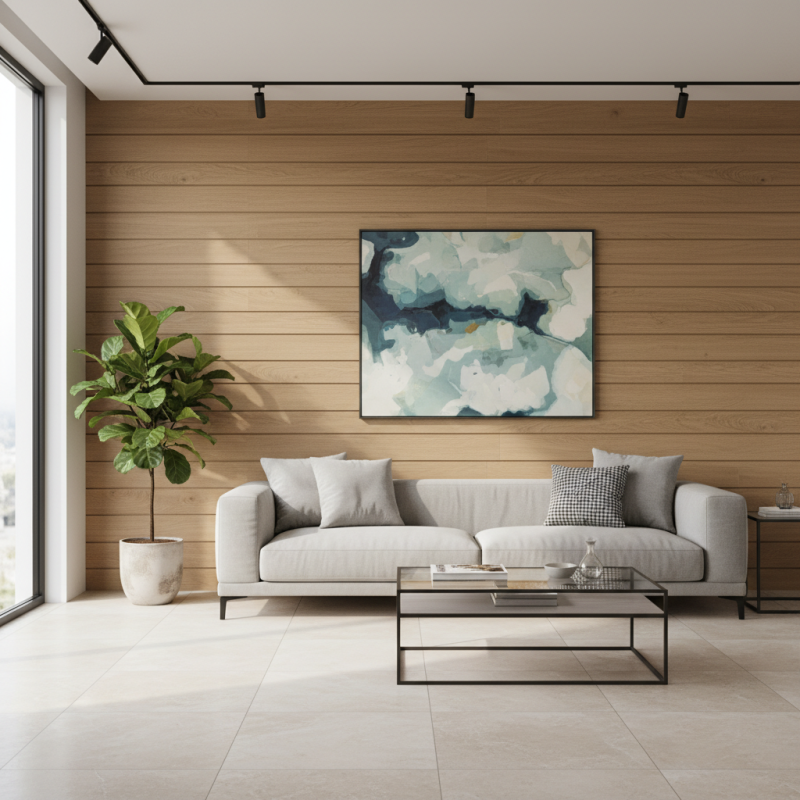
In living rooms, WPC panels can create a cozy yet modern feel. They can mimic the appearance of natural wood while maintaining resistance to moisture and pests. Consider using them as an accent wall behind your sofa. It adds texture and warmth to the space.
In kitchens, these panels work wonders too. They can withstand heat and humidity, unlike traditional materials. Using WPC panels as a backsplash offers a stylish look while being easy to clean. This is crucial in maintaining hygiene and visual appeal.
Tip: When selecting WPC panels, pay attention to the color and texture. They can dramatically influence your room's atmosphere.
In bathrooms, WPC panels serve as a practical solution. They resist mold and mildew, making them suitable for wet areas. This choice simplifies maintenance while enhancing the space's visual appeal.
Tip: Opt for light colors in smaller bathrooms. They can create an illusion of more space.
Choosing WPC indoor wall panels can enhance your home’s design. However, consider your specific needs. Reflect on how each room is used before making decisions.
Comparison: WPC Panels vs. Traditional Wall Materials
WPC panels and traditional wall materials each have their unique traits. WPC, or Wood Plastic Composite, combines wood fibers and plastic. This fusion creates a durable and moisture-resistant product. In contrast, traditional materials like drywall and wood are more vulnerable to water damage. A report from the American Institute of Architects notes that WPC panels can last up to 50% longer than typical drywall in humid environments.
Durability is a key consideration. WPC panels are resistant to molding, termites, and warping. In comparison, traditional wood can splinter and warp over time. Moreover, a study by the National Association of Home Builders highlights that homeowners often face costly repairs due to the deterioration of traditional materials. WPC's ease of maintenance should not be overlooked; it generally requires less upkeep than wood.
Tips: Always assess the intended use of your space. WPC may not be the best for every application. Consider the climate and moisture levels. Installation can also be trickier than expected, requiring professional help in some cases. Measure your area carefully; mistakes can lead to additional expenses.
Comparison of WPC Indoor Wall Panels and Traditional Wall Materials